
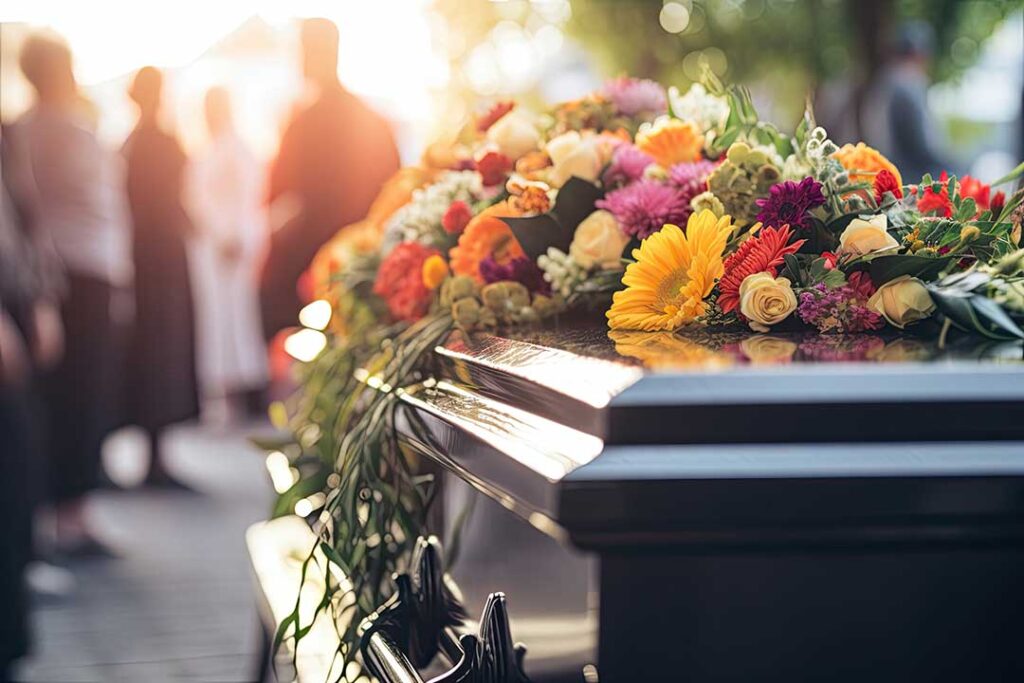
Cremation is a form of final disposition in which a person’s body is placed in a cremation chamber and exposed to intense heat. The process reduces the body to bone fragments, which are then processed into a consistent, sand-like material commonly called cremated remains.
For families in Roosevelt, UT, understanding what happens before, during, and after cremation can make planning less confusing. Cremation may be chosen for religious, personal, environmental, family, or financial reasons. It can take place with a traditional funeral service, a private gathering, a memorial held later, or no formal ceremony.
What happens before cremation?
Before cremation, the deceased must be identified and the required authorizations must be completed. The funeral home or cremation provider generally gathers information about the person who died, obtains permission from the legally authorized decision-maker, and completes required documentation.
The body is typically transferred into a licensed facility and kept under controlled conditions until the cremation takes place. In a rural and spread-out community, transportation may require additional coordination, especially during winter weather, heavy snow, or difficult road conditions.
Families are usually asked to provide or confirm:
- The person’s legal name and identifying information
- The date and place of death
- The identity of the person authorizing cremation
- Whether a viewing, visitation, funeral, or memorial service is planned
- Instructions about clothing, jewelry, medical devices, and personal items
- The desired final disposition of the cremated remains
Some medical devices, such as implanted batteries or certain electronic devices, may need to be removed before cremation because they can be hazardous when exposed to high heat. Metal joint replacements and other materials may remain after cremation and are handled according to facility procedures.
Is a viewing possible before cremation?
Yes. Cremation does not automatically mean that there will be no viewing or gathering before the cremation occurs.
A family may choose a private identification, a short viewing for immediate relatives, a visitation with the body present, or a traditional funeral service followed by cremation. Depending on the family’s wishes and the condition of the body, preparation may include washing, dressing, refrigeration, or embalming.
Embalming is not automatically required for every viewing. The need for preservation depends on timing, the length of the viewing, the condition of the body, and applicable rules. Families should ask what preparation is necessary for the type of gathering being considered.
A ceremony can also take place after cremation. The cremated remains may be present in an urn during a memorial service, religious observance, or family gathering.
How does the cremation process work?
The cremation chamber is heated to a high temperature, and the container holding the body is placed inside. The process normally takes several hours, although the exact time depends on the person’s size, the equipment used, and the facility’s procedures.
Cremation is performed one person at a time in an individual chamber. After the heating cycle is complete, the remaining bone fragments are allowed to cool. Recyclable metal items, such as certain medical implants, may be separated from the cremated remains.
The bone fragments are then processed into the consistent granular material families receive. Despite the common phrase “ashes,” the remains are primarily processed bone rather than fireplace ash.
A careful identification system is used throughout the process. This may include documentation, identification tags, tracking records, and a metal identification disc or similar method. These safeguards help ensure that the correct cremated remains are returned to the family.
What do cremated remains look like?
Cremated remains are usually light gray to off-white and have a texture similar to coarse sand or fine gravel. The amount varies based on the person’s bone structure and other factors.
The remains are placed in a temporary container or selected urn. Families may choose a permanent urn made from wood, metal, ceramic, stone, biodegradable material, or another suitable substance. An urn does not have to be purchased immediately; a temporary container can allow relatives time to decide what feels appropriate.
Cremated remains are not sterile and should be handled respectfully. They should be kept dry, secure, and clearly identified while the family considers a permanent location or final disposition.
What can a family do with the remains?
Families have several options, but each option may involve different rules or practical concerns. Common choices include:
- Keeping the urn in a home
- Placing the urn in a cemetery or columbarium
- Burying the urn on property where permitted
- Scattering the remains in an appropriate location
- Dividing the remains among family members
- Using a small portion in memorial jewelry or another keepsake
- Choosing a biodegradable urn for a permitted natural setting
A family should confirm permission before scattering or burying cremated remains on public, private, tribal, or federally managed land. Written permission may be required on property that does not belong to the family. Waterways, parks, and other public areas may have restrictions that change over time.
For households in the Uintah Basin, wind, dry conditions, open land, and seasonal access can affect how a scattering location is selected. A quiet place that is accessible during the memorial may become difficult to reach during winter or may be vulnerable to erosion, wildfire, or future development. Recording the location and keeping a small portion of the remains elsewhere can help preserve a permanent connection.
Can cremated remains be transported?
Cremated remains can generally be transported, but families should plan carefully when traveling by air, shipping the urn, or crossing state or national borders. Transportation rules may vary by carrier and destination.
A container that can be screened may be required for air travel. Dense metal urns can make security screening more difficult, so families often use a temporary container or a non-metal urn during travel. The death certificate, cremation documentation, and identification information should be kept with the person transporting the remains, but not placed inside checked luggage unless the carrier specifically permits it.
If the remains will be transported outside Utah, the receiving location may have additional requirements. These details should be confirmed before making travel arrangements.
How long does the process take?
The timeline depends on authorization, paperwork, transportation, preparation, the facility’s schedule, and whether a viewing or service is planned. Cremation is not necessarily immediate after death.
A family may need time to notify relatives, arrange a ceremony, gather legal information, and decide what to do with the remains. Delays can also occur if a medical examiner, physician, or other authority must complete required documentation.
When timing matters, such as for religious observances or family members traveling from a distance, asking for a written sequence of steps can make expectations clearer.
What questions should families ask?
A clear conversation can prevent misunderstandings. Useful questions include:
- Who is authorized to approve the cremation?
- What identification procedures are used?
- Where will the body be cared for before cremation?
- Is a viewing or visitation possible?
- What container is required for the cremation?
- How are medical devices and metal implants handled?
- When will the cremated remains be ready?
- What type of temporary container is included?
- What documents will the family receive?
- Are there restrictions on burial or scattering at the chosen location?
Utah requirements and facility procedures can change, so families should request current information in writing. The most significant decisions are usually the authorization, the type of ceremony, the care of personal items, and the final disposition of the cremated remains.
Is cremation the same as a funeral?
No. Cremation describes what happens to the body. A funeral or memorial service describes how people gather to remember and honor the person who died.
A family can have a funeral before cremation, a memorial afterward, a religious service, a private family gathering, or no formal ceremony. The choice of cremation does not determine whether grief rituals, visitation, music, prayers, military honors, or shared remembrance are included.
For many families, the practical value of understanding cremation is knowing that there is more than one way to create a respectful farewell. The process can be arranged around family traditions, travel needs, seasonal conditions, and the wishes of the person who died.