

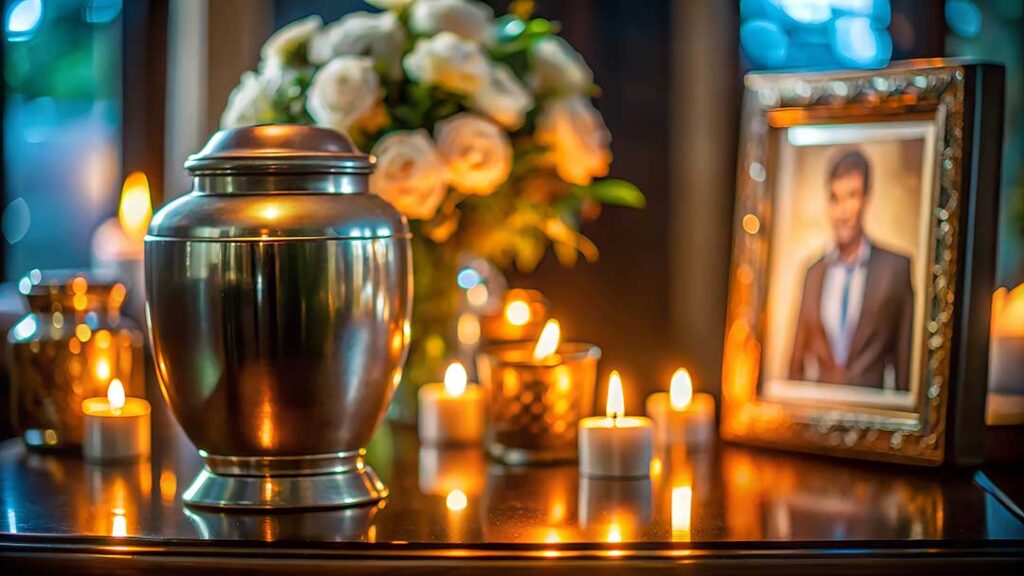
A memorial service can reflect a person’s life without following a rigid formula. For families in Roosevelt, UT, personalization may involve familiar music, meaningful stories, local traditions, photographs, favorite foods, or a setting that feels comfortable and appropriate.
The purpose is not to create a perfect event. It is to provide a meaningful way for people to remember someone, support one another, and acknowledge the person’s relationships, values, work, faith, interests, and everyday character.
What makes a memorial service personal?
A personal memorial service includes details that could only belong to the individual being remembered. These details help guests understand the person beyond basic dates and biographical information.
Personalization may come from:
- The music played before, during, or after the service
- Stories shared by family members, friends, coworkers, or neighbors
- Photographs, letters, artwork, tools, uniforms, or other meaningful objects
- Favorite readings, poems, prayers, or passages
- A display of hobbies, collections, projects, or accomplishments
- A meal, dessert, or beverage associated with the person
- A symbolic activity, such as planting, lighting candles, or placing flowers
- A location connected to the person’s life
The most effective details are usually specific rather than elaborate. A story about repairing equipment for a neighbor, teaching a grandchild to fish, preparing a favorite family dish, or always arriving early to help may say more about a person than a long list of achievements.
How should a family choose a theme?
A theme does not need to be a formal slogan or decoration style. It can simply be a quality, interest, place, tradition, or role that shaped the person’s life.
Families may begin by asking:
- What did this person care about most?
- What activities made the person feel at home?
- What did family and friends depend on this person to do?
- What objects, songs, sayings, or routines immediately bring the person to mind?
- What would the person have considered a meaningful gathering?
For someone who enjoyed outdoor work, the service might include landscape photographs, work gloves, a favorite hat, or stories about time spent outside. For someone who valued family traditions, the gathering might center on familiar recipes, holiday memories, or a reading passed through generations.
A theme should guide the service without limiting it. A person can be remembered as a parent, neighbor, mentor, volunteer, craftsperson, rancher, teacher, friend, or all of these at once.
What should be included in a life story?
A memorial biography does not need to be a complete record of every year. A shorter, focused account often feels more genuine and gives speakers room to share personal memories.
A useful life story may include:
- Important family relationships
- Places that shaped the person’s identity
- Work, service, education, or responsibilities
- Interests and routines
- Challenges the person faced
- Qualities others admired
- Lessons, sayings, or habits that people will remember
Families should check names, dates, and relationships before printing programs or displaying information. It is also helpful to ask several people for memories, since no single person is likely to know every part of someone’s life.
A practical approach is to gather stories under a few headings, such as childhood, family, work, friendships, beliefs, hobbies, and acts of kindness. This can make planning easier when emotions are high.
How can music and readings reflect the person?
Music and readings often create an emotional tone before anyone speaks. The selection does not have to be traditionally associated with memorials. A favorite song, hymn, instrumental piece, poem, or passage may be more meaningful if it reflects the person’s personality.
Families can consider:
- Songs the person played frequently
- Music connected to a wedding, anniversary, trip, or family tradition
- A hymn or spiritual reading that offered comfort
- A poem that expresses the family’s feelings
- Instrumental music for a quiet reflection period
- A recording or performance created by a family member
Not every selection needs to be solemn. If the person enjoyed humor, lively music, or a particular style, including it may make the service feel more authentic. The goal is to honor the individual while remaining considerate of the people attending.
What can children contribute?
Children and teenagers can participate in ways that match their age, comfort, and relationship with the person. Participation should be offered, not forced.
Possible contributions include:
- Drawing a picture or writing a short note
- Choosing a photograph
- Reading a brief passage
- Sharing one favorite memory
- Helping arrange a memory table
- Placing a flower, small object, or written message
- Recording a message if speaking publicly feels too difficult
A child may remember an ordinary moment that adults overlooked, such as a special snack, a familiar greeting, or a game played together. These small memories can bring warmth and depth to the gathering.
How can local and seasonal conditions affect planning?
Seasonal conditions can influence attendance, transportation, clothing, and the use of outdoor spaces. In Roosevelt, winter weather may create icy roads, cold temperatures, or reduced daylight, while summer gatherings may require shade, water, and protection from heat. Families planning an outdoor element should also consider wind, dust, sudden weather changes, and accessibility for older adults.
A practical plan may include:
- Clear directions and parking information
- Seating that is stable and easy to reach
- A backup indoor location for outdoor activities
- Extra time for guests traveling in difficult conditions
- A way for people to participate remotely when travel is not practical
- Protection for photographs, candles, flowers, and keepsake materials
Local family patterns may also shape the service. A gathering may include relatives spread across rural areas, multigenerational households, close neighbors, or people who knew the deceased through work, school, faith communities, or volunteer activities. Allowing more than one type of participation can help different groups feel included.
What belongs on a memory table or display?
A memory table should tell a story rather than simply fill space. A few carefully chosen items are often more effective than displaying everything.
Appropriate items might include:
- Family photographs from different stages of life
- Handwritten notes, recipes, or letters
- Tools, books, uniforms, instruments, or craft materials
- Awards, certificates, or service items
- Artwork made by children or grandchildren
- A favorite chair, blanket, hat, or other familiar object
- A guest book with space for memories instead of only signatures
Valuable, fragile, or irreplaceable items should be protected. Families may use copies of photographs, secure display cases, or photographs of objects when the originals are not suitable for public display.
How can the service remain respectful of different beliefs?
Families do not always share the same religious, cultural, or personal beliefs. A memorial service can acknowledge these differences by explaining the purpose of each reading, ritual, or symbolic action in advance.
If a prayer, blessing, candle-lighting, moment of silence, or other tradition is included, guests should not be pressured to participate in a way that conflicts with their beliefs. Secular alternatives may include storytelling, music, written reflections, or a shared period of quiet remembrance.
The person’s known wishes should guide decisions whenever they are available. If wishes are unclear, families can focus on actions that express respect, gratitude, and care without claiming certainty about beliefs the person did not clearly express.
What are common mistakes to avoid?
Personalization can become stressful if too many details are added at once. Common problems include trying to include every photograph, asking too many people to speak, choosing readings that do not fit the person, or creating a schedule so full that there is no time for quiet reflection.
Families can reduce pressure by:
- Choosing a few meaningful elements instead of attempting everything
- Assigning clear responsibilities
- Setting reasonable speaking times
- Preparing a printed outline
- Having someone available to support speakers who become emotional
- Keeping a backup plan for technology, weather, or transportation
- Accepting that the service may include both tears and laughter
A meaningful memorial does not depend on expensive decorations or a large production. It depends on whether the gathering helps people recognize the life that was lived and the relationships that continue through memory, example, and shared care.